








Amazon
Blossom Academy
Blue Cross and Blue Shield
Cigna
Corporate Gurukul
Deloitte
Frontizo
Godrej
KPMG
Medecro Ai
Prione
Qatar Airways
Staples
Tetra Pak
Twinleaves
Uniphore
Vistaprint
Walmart
World Health Organization (WHO)
Xerox
Appario
Clicktech
Sheng Li Tel
Karma Experience
Made Easy
MENIIT
NEXT IAS
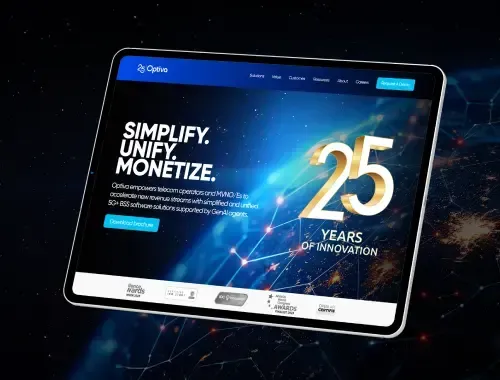
Optiva
Technowizard
A sleek, futuristic blue lightning bolt icon with neon reflections—capturing the electrifying energy of Qquench’s AI-powered automation and disruptive design thinking.

The Qquench “AI Training system development” Playbook

Training Needs & Data Mapping

Assessment of learning goals, content sources, skill models, and personalisation requirements. 

AI-Driven Script, Content & Activity Drafting

Use of AI to accelerate content development, ideation, and instructional design. 

Adaptive Logic & Personalisation Framework

Definition of pathways, rules, scaffolding, and behaviour-based learning flows. 

Automated Assessment & Feedback Design

Creation of assessments, scenarios, feedback mechanisms, and analytics triggers. 

Multimedia Automation & Voice AI Production

Generation of visuals, audio, characters, and interactions with consistency. 

QA, Deployment & Continuous Evolution

Monitoring performance, refining modules, and updating content through AI-assisted cycles. 

AI training systems are not only efficient. They are adaptive, scalable, global, and performance-driven.

This defines the future of enterprise learning systems.

Q1. How does AI accelerate training system development?

AI generates content, assessments, and multimedia while reducing manual effort and timelines. 

Q2. Are AI-generated systems comparable to traditional approaches?

Yes — when combined with instructional design expertise. AI improves speed; human input ensures quality. 

Q3. Can AI personalise training at the individual level?

Yes. Learning systems adapt based on performance, behaviour, role, and preferences

Q4. Does AI support scenario-based learning?

Yes. AI enables creation of contextual scenarios aligned to industries, regions, and roles. 

Q5. Can training systems be deployed globally?

Yes. AI supports multilingual delivery, localisation, and scalable rollout. 

Q6. Which training types benefit most from AI systems?

Compliance, product, sales, onboarding, customer experience, leadership, and safety training. 

Q7. What is the typical development timeline?

Typically 1.5x to 2x faster than traditional development methods.