






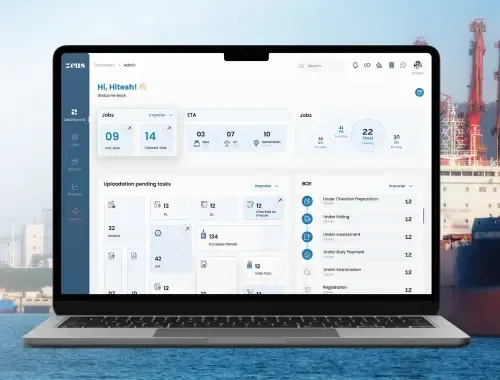
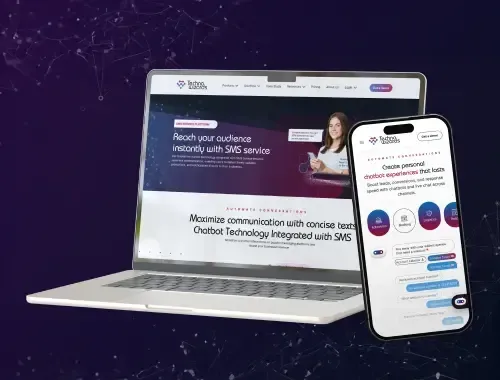
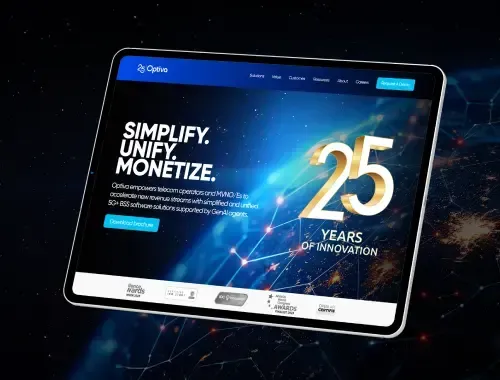
Amazon
Blossom Academy
Blue Cross and Blue Shield
Cigna
Corporate Gurukul
Deloitte
Frontizo
Godrej
KPMG
Medecro Ai
Prione
Qatar Airways
Staples
Tetra Pak
Twinleaves
Uniphore
Vistaprint
Walmart
World Health Organization (WHO)
Xerox
Appario
Clicktech
Sheng Li Tel
Karma Experience
Made Easy
MENIIT
NEXT IAS
Optiva
Technowizard
A sleek, futuristic blue lightning bolt icon with neon reflections—capturing the electrifying energy of Qquench’s AI-powered automation and disruptive design thinking.
  • Market opportunity at scale.
  • Cross-border reach and resonance.
  • Enterprise brand risk exposure.

ENTERPRISE BRANDING COMMON MISTAKES

  • Selecting partners based on aesthetics, not system capability
  • Engaging local agencies for enterprise-scale challenges
  • Underestimating enterprise brand governance requirements
  • Treating brand guidelines as static, not dynamic systems
  • Overlooking digital and experience ecosystem integration
  • Failing to design for enterprise scale and evolution

These errors result in fragmented brand systems that erode market clarity and enterprise value.

GLOBAL BRANDING PARTNER SELECTION PLAYBOOK

Clarify Global Brand Ambition

Define fixed and flexible dimensions of global brand identity.

Assess Strategic Depth

Evaluate partner approach to strategic positioning and narrative architecture.

Review System Thinking

Assess system design capability beyond visual asset creation.

Test Cultural Intelligence

Explore regional interpretation and cultural adaptation challenges.

Evaluate Scalability

Assess system adaptability for enterprise growth and market expansion.

Choose a Long-Term Partner

Global branding is an enterprise journey, not a project.


Q1. Is global branding fundamentally different from local branding?

Yes. Global branding demands enterprise-grade systems that enable adaptation without identity loss.

Q2. Can a single partner support all global markets?

Yes — if they design scalable brand systems and execute localisation with enterprise discipline.

Q3. What is the typical timeline for a global branding initiative?

8–16 weeks for enterprise strategy and system design, depending on scope and scale.

Q4. Should global branding partners understand digital and UX ecosystems?

Absolutely. Brand identity must integrate across digital and experience ecosystems.

Q5. How does AI enable enterprise-scale global branding?

AI accelerates asset production, localisation, and enterprise brand governance at scale.

Q6. Is full rebranding always necessary for global expansion?

No. Enterprise evolution and system optimisation often suffice.

Q7. What is the primary enterprise risk in global branding?

Inconsistency and cultural misalignment across markets and teams.