






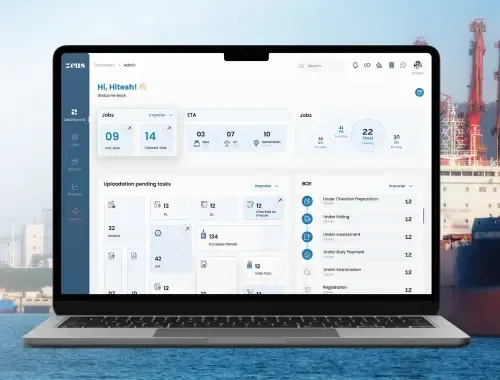
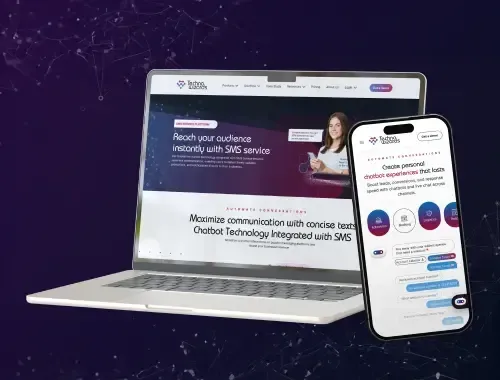
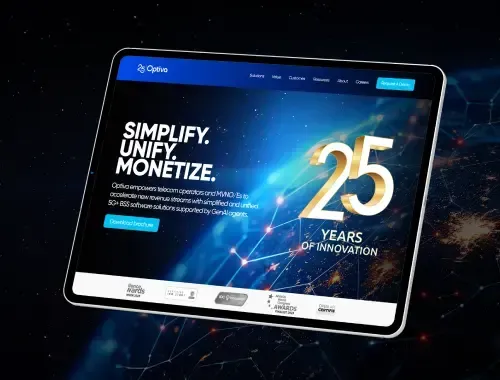
Amazon
Blossom Academy
Blue Cross and Blue Shield
Cigna
Corporate Gurukul
Deloitte
Frontizo
Godrej
KPMG
Medecro Ai
Prione
Qatar Airways
Staples
Tetra Pak
Twinleaves
Uniphore
Vistaprint
Walmart
World Health Organization (WHO)
Xerox
Appario
Clicktech
Sheng Li Tel
Karma Experience
Made Easy
MENIIT
NEXT IAS
Optiva
Technowizard
A sleek, futuristic blue lightning bolt icon with neon reflections—capturing the electrifying energy of Qquench’s AI-powered automation and disruptive design thinking.
  • Context-aware content delivery
  • Behaviour-driven experience adaptation
  • Accelerated time-to-value
  • Role-specific learning pathways
  • Outcome-focused interactions
  • Unified experience architecture

The Qquench “AI-Personalisation SYSTEMS” Playbook

Experience & Behaviour Mapping

Map enterprise user journeys and decision signals.

Intelligence Layer Design

Design AI models, logic, and adaptation frameworks.

Modular Content & Experience Design

Enable scalable, adaptive experience modules.

Cross-System Integration

Integrate digital, learning, and CX ecosystems.

Testing, Learning & Optimisation

Optimise using real-time behaviour data.

Governance, Ethics & Scale

Ensure trust, transparency, and enterprise scalability.


Personalisation is not about DATA IT IS ABOUT RESPONSIVE BUSINESS SYSTEMS.

In the AI era, successful enterprises design systems that listen, adapt, and scale — with human-centred governance.

Q1. What is an enterprise AI personalisation system?

An enterprise intelligence layer that enables real-time behaviour-driven adaptation across digital ecosystems.

Q2. How does this differ from rule-based personalisation?

AI systems evolve through continuous learning; rule-based systems require manual updates and lack scalability.

Q3. Can one system support multiple enterprise platforms?

Yes. A unified intelligence layer can integrate with web, learning, CX, and internal systems.

Q4. Is AI personalisation viable for regulated industries?

Yes — with enterprise-grade governance, transparency, and compliance controls.

Q5. Does AI personalisation increase enterprise complexity?

Not when structured as a modular enterprise system with clear governance.

Q6. What is the implementation timeline for enterprise AI systems?

Typically 8–16 weeks, depending on scope, integration complexity, and business alignment.

Q7. When can enterprises expect measurable outcomes?

Most enterprises observe measurable engagement and outcome improvements within 60–120 days.