









Category: AI Automation
-
How AI Is Personalising Corporate Learning at Scale and What That Actually Means
If your learning platform vendor has told you their system is AI-personalised, the first question to ask is: personalised based…
-
Generative AI in L&D — What It Can Build, What It Cannot Judge, and Where the Line Sits
83% of instructional designers now use generative AI. Research also shows that 78% of AI-generated lesson plans require significant adjustments…
-
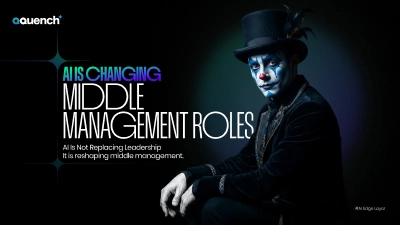
AI Is Changing Middle Management Roles
The Structural Impact of AI AI does not just automate tasks. It changes organizational architecture. Historically, middle management existed to: …
-

AI Hallucination Is an Enterprise Risk Problem
When Confidence Exceeds Accuracy Generative AI systems are designed to produce coherent responses. They do not verify truth the way…
-
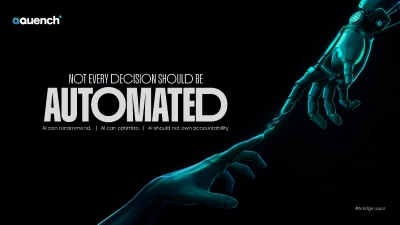
Human–AI Decision Boundaries Must Be Explicit
Automation Changes Authority Structures AI does not only automate tasks. It reshapes authority. When AI systems: They influence decisions. Influence…
-

Data Readiness Determines AI Success
Data Readiness and the AI Ambition Gap Enterprise AI ambition is accelerating. Boards demand innovation. Leaders demand automation. Teams experiment…
-
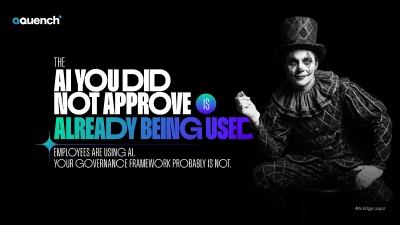
Shadow AI Is Already Inside Your Enterprise
Governance Is Behind Adoption AI adoption is no longer top-down. It is bottom-up. Employees: Often without approval. The Stanford AI…
-
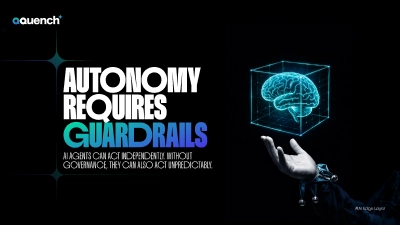
Why Agentic AI Without Governance Is an Enterprise Risk
Autonomy Changes the Risk Equation Traditional automation executes predefined instructions. Agentic AI systems: This shift is architectural. The Stanford AI…
-
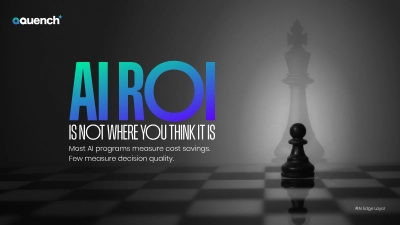
AI ROI Is Misunderstood in Enterprises
The Wrong Question Produces the Wrong Answer When enterprises evaluate AI investments, the first lens is cost. How much time…
-
Why AI Transformation Fails Quietly
Transformation Failures Are Often Invisible AI failures rarely announce themselves. There is no dramatic moment of collapse. Instead: By the…