




THE REAL ENTERPRISE PROBLEM

HR Business Partners identify capability gaps.
L&D teams deliver training programs. But:

  • Training does not always change behaviour
  • Completion rates do not reflect performance
  • Evaluation remains surface-level
  • Adoption drops after rollout
  • Capability maturity is unclear

According to McKinsey, only a fraction of large-scale transformation initiatives fully achieve their intended impact.

Deloitte research shows that organizations struggle to link learning initiatives to measurable business outcomes.

The gap is structural.

Training is delivered.

Capability is not always built.

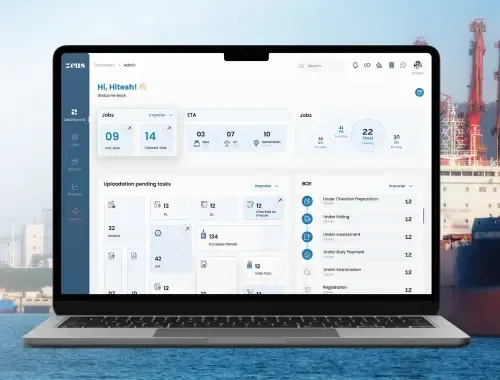
The Enterprise Learning System (ELS) is a behaviour-driven learning architecture designed to:

Map learning objectives to real-world capability

Diagnose behavioural friction

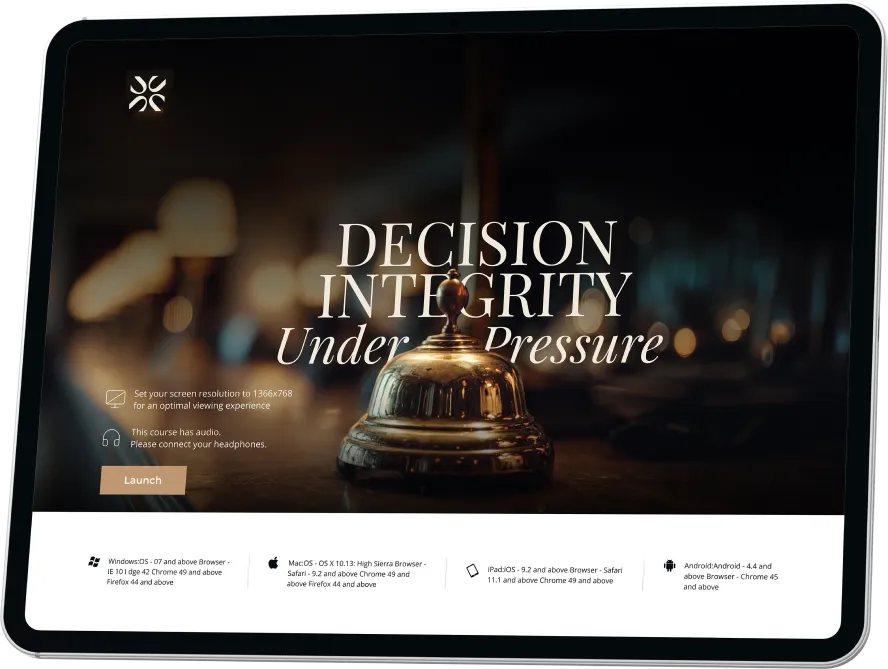
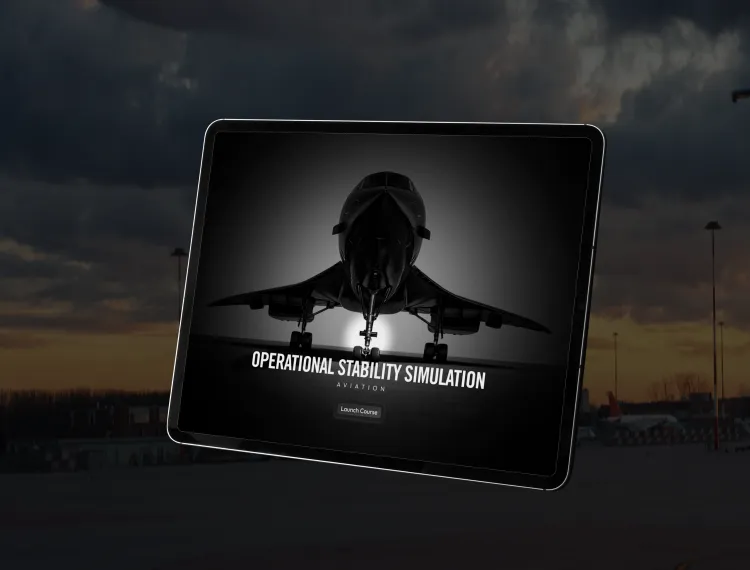
Embed scenario-based intelligence

Measure learning beyond completion

Bridge learning to operational performance

It transforms training from event-based activity into structured capability architecture.

THE CAPABILITY PRECISION FRAMEWORk

At the core of ELS is the Capability Precision Framework:

Adoption & Maturity Diagnostics

Capability
Mapping

Scenario
Intelligence Design

Performance-Linked Evaluation

Behaviour Signal Identification

Higher behavioural adherence

Clearer capability maturity visibility

Improved operational consistency

HOW IT DIFFERS FROM
TRADITIONAL LMS MODELS 

Traditional LMS  Enterprise Learning System
Content delivery platformCapability architecture
Completion reportingBehavioural diagnostics
Knowledge recall focusApplied decision intelligence
One-size-fits-allContextual scenario design
Event-based trainingContinuous capability mapping

ELS works above the LMS layer.

It enhances systems rather than replacing them.

BUILT FOR ENTERPRISE REALITY

The Enterprise Learning System is designed for:

Fortune 500 organizations

UN and multilateral institutions

Global manufacturing environments

AI-assisted workforce ecosystems

DESIGNED FOR THE NEXT DECADE

As AI reshapes workflows and automation increases operational speed, human capability becomes the differentiator.

Organizations will need:

  • Measurable behavioural reinforcement
  • Scenario-based applied intelligence
  • Real-time adoption diagnostics
  • Clear linkage between learning and performance

ELS prepares enterprises for that shift.

Explore related innovation layers: 

eLearning Services 

Living Brand Playbook 

Insights Hub 

Q1. What is an Enterprise Learning System?   

An Enterprise Learning System is a behaviour-driven learning architecture that maps training to measurable capability outcomes.

Q2. How is it different from an LMS?   

An LMS delivers and tracks content. An Enterprise Learning System maps learning to behavioural precision and performance diagnostics.

Q3. Does ELS replace existing platforms?   

No. It enhances and operates above LMS and LXP systems.

Q4. How does ELS measure behavioural change?    

Through scenario-based evaluation, applied decision mapping, and adoption diagnostics.

Q5. Is this suitable for global enterprises?    

Yes. It is structured for multi-region, regulated, and complex organizational environments.

Q6. Can it support compliance-heavy industries?    

Yes. It is particularly effective where behavioural adherence and audit visibility are critical.