





Predictive UI UX Designing Interfaces That Anticipate, Adapt, and Accelerate
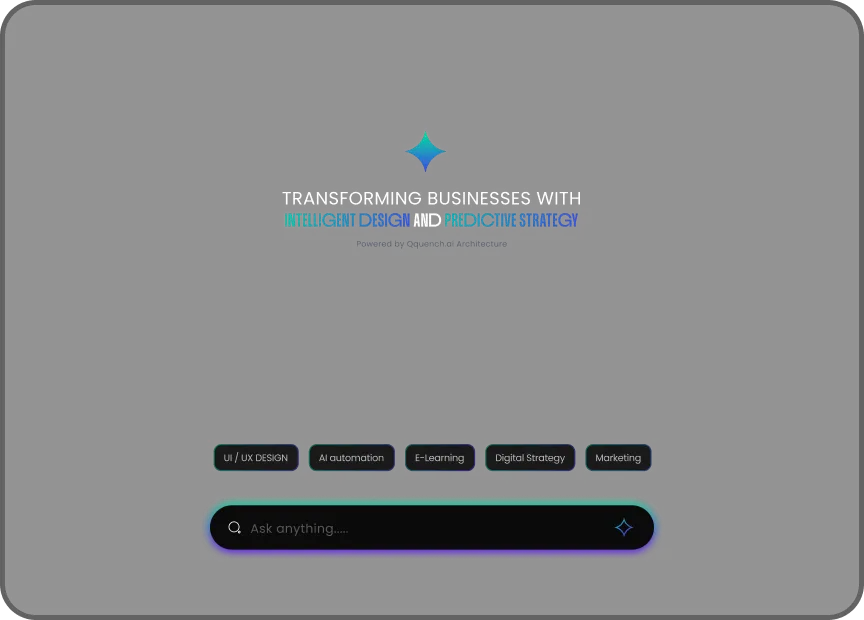
Most interfaces wait for users to act. The future belongs to systems that anticipate.
As enterprises digitize workflows across platforms, devices, and AI-assisted environments, traditional UI design reaches its limits.
Static screens
Linear flows
Reactive experiences
Predictive UI UX, developed within Qquench Lab, shifts digital experience from reactive design to anticipatory architecture. This is not personalization.
It is behavioral foresight embedded into interface systems.
INDUSTRY REALITY
01
McKinsey
According to McKinsey, companies that leverage advanced analytics in customer journeys significantly improve operational efficiency.
01
02
Nielsen Norman Group
Nielsen Norman Group highlights that reducing cognitive load dramatically improves
usability and task
02
03
Gartner
Gartner predicts that organizations integrating AI into digital experiences will outperform competitors in both engagement and efficiency.
03
Static interface design cannot keep pace with AI-native enterprise environments.
THE PROBLEM WITH TRADITIONAL UI
Most enterprise platforms are built around:
- Feature expansion
- Screen accumulation
- Workflow complexity
- Reactive navigation
These tools manage assets.
They do not manage intelligence.
This results in:
- Decision fatigue
- Reduced productivity
- Increased error rates
- Training dependency
- Interface abandonment
As digital systems grow, complexity compounds.
Predictive UI UX addresses this structural friction.
WHAT PREDICTIVE UI UX ACTUALLY IS
Predictive UI UX is an anticipatory interface architecture that uses behavioural patterns, contextual signals, and workflow intelligence to:
Surface relevant actions proactively
Reduce unnecessary choices
Adapt navigation pathways
Forecast user intent
Minimize cognitive friction
It transforms digital interfaces from static layouts into intelligent interaction systems.
THE ANTICIPATORY EXPERIENCE MODEL™
At the core of Predictive UI UX is the Anticipatory Experience Model:

Behavior Signal Mapping
Continuous Optimization Loop
Context Recognition
Intent Forecasting
Adaptive Interface Response
ENTERPRISE SCENARIO
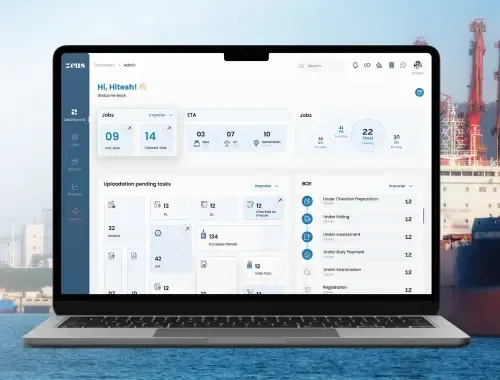
A procurement manager logs into a complex enterprise dashboard.
Traditional UI:
14 menu sections
Manual filtering
Multiple cross-references
200+ configuration paths
Predictive UI UX:
- Surfaces pending anomalies immediately
- Prioritizes high-risk vendors
- Suggests recommended next actions
- Reduces navigation layers
The interface becomes an operational partner, not a navigation puzzle.
ENTERPRISE IMPACT MODEL
Organizations integrating predictive interface systems typically see:
01
Reduced task completion time
02
Lower training dependency
03
Improved accuracy in workflow execution
04
Reduced user error rates
05
Higher adoption rates across complex systems
These align with research on AI-driven digital transformation from Deloitte Insights.
Predictive systems reduce friction before it becomes inefficiency.
HOW IT DIFFERS FROM
PERSONALIZATION
| Personalization | Predictive UI UX |
|---|---|
| Adapts based on user profile | Adapts based on behavioral patterns |
| Focused on marketing | Embedded in enterprise workflows |
| Surface-level content changes | Structural interaction shifts |
| Reactive recommendations | Anticipatory task support |
| Channel-specific | Cross-system intelligence |
Predictive UI UX operates at the architectural level.
WHO THIS IS BUILT FOR
Built for complex enterprise
ecosystems, not brochure websites.
Chief Digital Officers
Enterprise Product Heads
Transformation Leaders
UX Architecture Teams
AI Strategy Leaders
SaaS Platform Owners
DESIGNED FOR AI-NATIVE ENTERPRISES
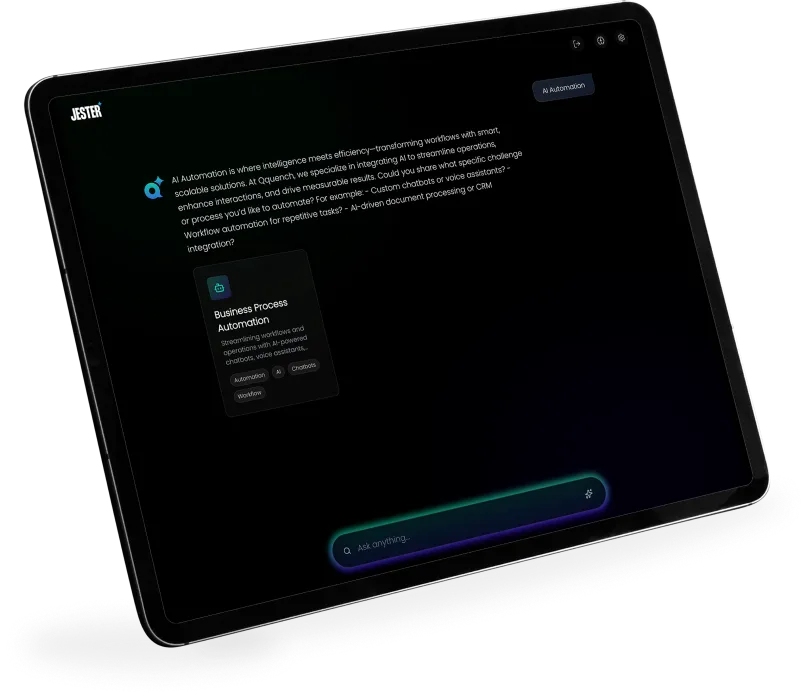
As AI agents increasingly assist human workflows, interfaces must evolve from passive tools to collaborative systems.
Predictive UI UX prepares enterprises for:
- AI-human interaction layers
- Voice-assisted interfaces
- Context-aware dashboards
- Multi-device enterprise ecosystems
It is a future-aligned design discipline.
Explore related innovation layers:
FAQS
Q1. What is Predictive UI UX?
Predictive UI UX is an anticipatory interface architecture that adapts digital systems based on behavioral patterns and contextual signals.
Q2. How is it different from personalization?
Personalization adjusts content based on user identity. Predictive UI UX adapts interface structure and workflows based on behavior and intent.
Q3. Is this suitable for enterprise platforms?
Yes. It is designed for complex, multi-layered enterprise systems where workflow efficiency is critical.
Q4. Does this use AI?
Predictive UI UX can integrate AI-driven analytics and contextual intelligence to enhance anticipatory interactions.
Q5. Can this reduce training costs?
By reducing cognitive load and surfacing relevant actions, predictive systems can significantly lower dependency on training.
Q6. Is this future-ready?
Yes. It is designed to support AI-human collaboration and adaptive enterprise ecosystems.
Move From Reactive Interfaces to
Intelligent Systems
If your enterprise platforms are growing in complexity, predictive architecture may be the next evolution.